Heated Towel Rail Installation Regulation: What You Need to Know Before Fitting One
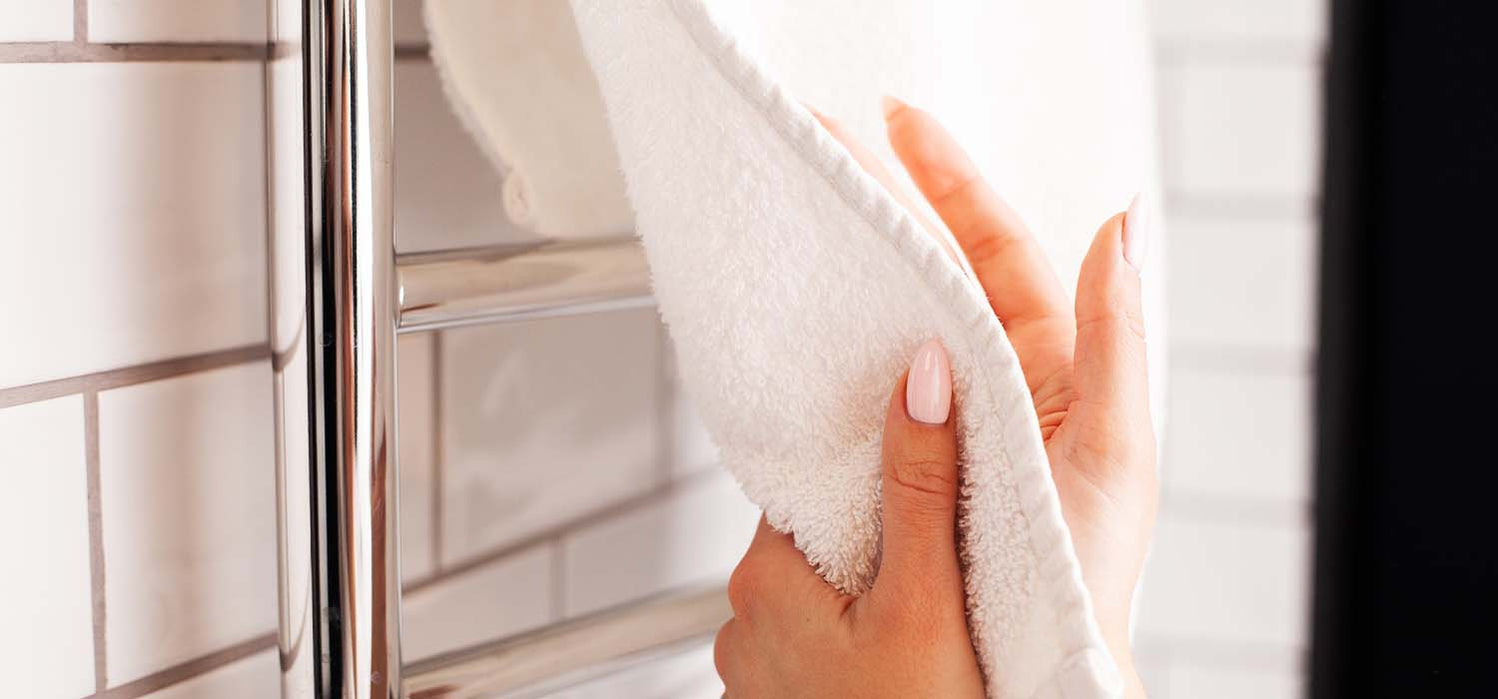
Understanding heated towel rail installation regulation is essential before adding this popular bathroom feature to your home. While heated towel rails offer comfort, warmth, and everyday practicality, they must be installed in line with current safety and building standards. Failing to follow the correct regulations can lead to performance issues, safety risks, or costly rework later on.
This guide explains the key regulations, best practices, and compliance considerations surrounding heated towel rail installation, with reference to the quality-led approach followed by Tapron Ireland.
Why Heated Towel Rail Installation Regulation Matters
Heated towel rails operate using electricity, central heating, or a combination of both. Because bathrooms are classed as high-risk environments due to moisture and humidity, strict regulations apply to protect users from electrical hazards, leaks, and overheating.
Following heated towel rail installation regulation ensures:
-
Electrical safety in wet zones
-
Correct water pressure and system compatibility
-
Long-term performance and reliability
-
Compliance with building and insurance requirements
Ignoring regulations can compromise safety and invalidate warranties or home insurance.
Types of Heated Towel Rails and Their Regulations
Installation rules vary depending on the type of towel rail being installed.
Central Heating Heated Towel Rails
These connect to your home’s existing heating system. Regulations focus on:
-
Correct pipework connection
-
Pressure compatibility
-
Proper valve installation
-
Secure wall fixing
A qualified plumber is typically required to ensure the system is balanced correctly and does not affect overall heating performance.
Electric Heated Towel Rails
Electric towel rails are subject to stricter safety regulations due to their use in wet areas. Key requirements include:
-
Installation by a certified electrician
-
Use of IP-rated products suitable for bathroom zones
-
Connection to a fused spur or approved power source
-
Compliance with national electrical safety standards
Electric towel rails must never be installed using a standard plug socket within the bathroom.
Dual Fuel Heated Towel Rails
Dual fuel models combine central heating and electric operation. These require both plumbing and electrical compliance, making professional installation essential.
Bathroom Zones and Electrical Safety Regulations
One of the most important aspects of heated towel rail installation regulation is bathroom zoning.
Bathrooms are divided into zones based on proximity to water sources:
-
Zone 0: Inside the bath or shower
-
Zone 1: Area directly above the bath or shower
-
Zone 2: Area surrounding Zone 1
Electric heated towel rails must be rated appropriately for the zone they are installed in. Most towel rails are suitable for Zone 2, provided they meet the required IP rating.
This zoning system exists to minimise the risk of electric shock and equipment damage.
Building Regulations and Compliance
In many cases, installing a heated towel rail—particularly electric or dual fuel models—falls under building regulations. These regulations ensure:
-
Safe electrical connections
-
Adequate ventilation
-
Structural stability of wall fixings
-
Energy efficiency compliance
Professional installers can self-certify work where permitted, ensuring the installation meets regulatory standards without additional inspections.
Ventilation and Heat Output Considerations
Proper ventilation plays a role in heated towel rail installation regulation. Bathrooms must allow heat and moisture to dissipate safely. Poor ventilation can reduce the efficiency of the towel rail and lead to condensation issues.
Heat output should also be calculated correctly. An undersized towel rail may not heat towels effectively, while an oversized unit could overheat a small space.
Wall Strength and Mounting Regulations
Heated towel rails must be securely fixed to a suitable wall structure. Depending on the wall type—solid, stud, or tiled—appropriate fixings must be used.
Regulations and best practice require:
-
Load-bearing fixings for heavier rails
-
Even weight distribution
-
Adequate clearance from walls and fittings
This prevents long-term movement, damage, or detachment.
Who Should Install a Heated Towel Rail?
To fully comply with heated towel rail installation regulation:
-
Plumbing connections should be completed by a qualified plumber
-
Electrical connections must be carried out by a certified electrician
-
Dual fuel installations should involve both professionals
This ensures safety, compliance, and correct certification where required.
How Tapron Ireland Approaches Compliance
When selecting heated towel rails, Tapron Ireland focuses on products designed to align with modern installation standards. Emphasis is placed on compatibility, clear specifications, and finishes suitable for long-term bathroom use.
By choosing products built with regulation in mind and using qualified installers, homeowners can achieve both peace of mind and reliable performance.
Conclusion
Understanding heated towel rail installation regulation is crucial before fitting any towel rail in a bathroom. From electrical zoning and plumbing compliance to wall fixing and ventilation, each requirement plays a role in ensuring safe and efficient operation.
By following regulations, using qualified professionals, and choosing products designed for compliance, homeowners can enjoy the comfort and practicality of a heated towel rail with confidence—both now and in the years ahead.

Comments
Post a Comment